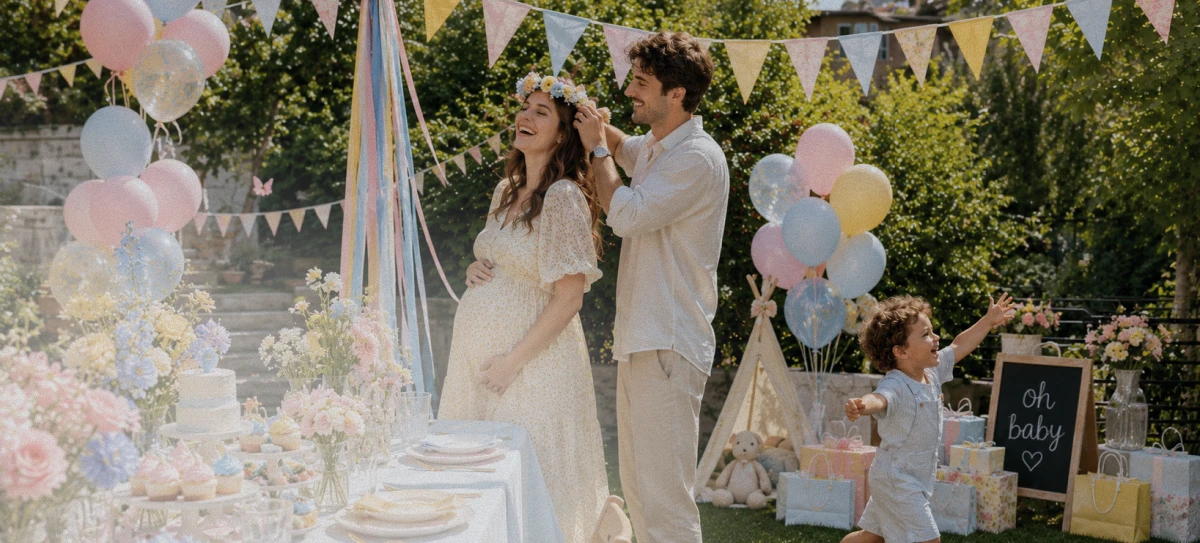
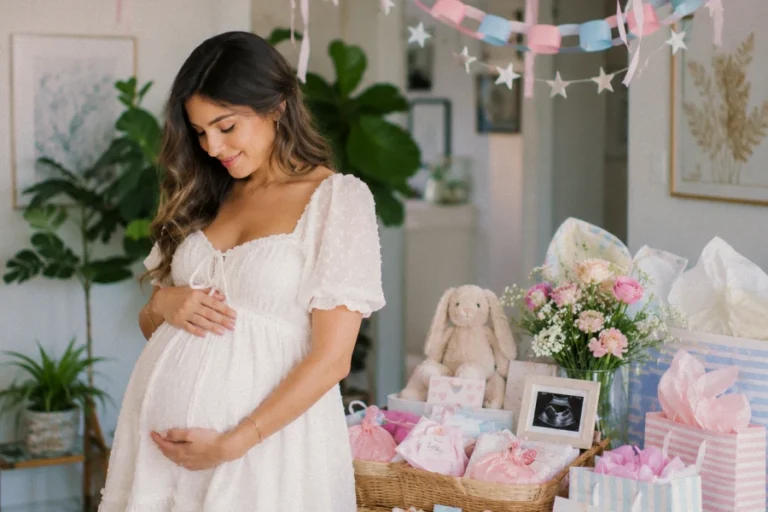
Baby Shower Theme Styling turns a general idea into a room guests can recognize through color, surfaces, materials, and repeated visual cues. The strongest approach begins with style direction, palette, entry moment, parent chair area, gift display, activity zone, dessert table, guest tables, favors, fabric, florals, and paper goods, because those details shape both the look and the experience. The goal is not to copy every image perfectly, but to understand how separate corners can feel like one celebration. Although the celebration may look effortless in photos, the easiest events usually come from decisions made in the right order. That order helps hosts stay generous, organized, and present instead of reacting to every question at the last minute. When the styling direction has a clear purpose, the day feels more personal and less dependent on expensive extras.
Why Baby Shower Theme Styling Needs a Clear Foundation
A useful foundation turns inspiration into a workable plan by naming the decisions that need answers before anything gets purchased. For this kind of celebration, a visual styling lookbook can help hosts organize ideas before details start competing for attention. The planning should account for soft garden, modern neutral, pastel play, storybook sweetness, welcome scenes, memory tables, favor stations, and budget-conscious material choices, while still leaving enough flexibility for real homes, real budgets, and real schedules. This early structure also makes it easier to ask for help, because every helper can understand the goal instead of guessing from scattered screenshots. Once the foundation is visible, the host can choose what deserves effort and what can remain beautifully simple.
How Baby Shower Theme Styling Shapes the Guest Experience
Guest experience improves when the plan considers how people arrive, move, choose, participate, rest, and leave with warm memories. That is why the styling direction should include practical questions rather than focusing only on decorative or social-media-friendly moments. A parent-to-be may care most about comfort, while guests may notice seating, timing, food access, and whether the room feels easy to navigate. The best decisions usually support both groups at once, creating a celebration that feels graceful without becoming stiff or overproduced. When hosts think through the guest journey, they can reduce confusion while making the room feel more welcoming.
Start With the Decisions Guests Will Feel
Start with the choices guests will feel immediately, including arrival flow, comfort, visibility, food access, timing, and the emotional tone of the gathering. A theme-to-room planning resource can make those choices easier to compare because it keeps the practical pieces connected to the overall mood. Hosts should decide which style direction leads, which surfaces need attention, which materials repeat, and which details should be edited out, then use those answers to shape smaller purchases and setup tasks. This prevents the plan from becoming a collection of pretty pieces that do not solve the actual event needs. The result feels calmer because every visible detail has a job beyond simply filling space.
Making Baby Shower Theme Styling Easier to Execute
The most common planning problem appears when hosts buy decor before naming the visual direction, fabrics, paper goods, florals, and table details can compete instead of cooperate. Editing protects the day by removing duplicate ideas, excessive props, unnecessary tasks, and decisions that make the host work harder without making guests happier. That does not mean the celebration has to look plain, because simple choices often look more polished when they repeat clearly across the room. A strong edit also gives important details more space to be noticed, photographed, and enjoyed. Before the final week, hosts should ask which pieces add warmth, which add function, and which simply add pressure.
Edit the Details Before They Create Pressure
Execution becomes easier when every task has a place, a person, and a realistic moment in the schedule. This is where a polished scene-building system becomes useful, because it helps move the plan from inspiration into action without relying on memory alone. In practice, the styling direction should include setup order, storage needs, transport concerns, helper notes, cleanup expectations, and any final checks that protect the event. The host does not need a complicated operations manual, but a short working sequence can prevent repeated questions during the busiest hour. A calm setup creates more space for welcoming guests and noticing the emotional purpose of the day.
Using Baby Shower Theme Styling as a Calm Hosting System
The best celebrations balance intention with ease, because guests remember warmth more clearly than they remember perfect coordination. A host can create that feeling by making early decisions, repeating the strongest ideas, and letting the unnecessary details fall away before they create stress. The room feels more expensive and intentional when one visual idea guides every surface without forcing every detail to match perfectly. When the plan supports both beauty and comfort, the celebration feels generous without becoming overwhelming for the person hosting it. That is the difference between an event that only looks planned and one that genuinely feels cared for from beginning to end.